|
||||



















|
Faroe Islands (sightseeing)From Wikipedia: Faroe Islands is an island country comprising an archipelago of small islands between the Norwegian Sea and the North Atlantic Ocean, approximately halfway between Norway and Iceland, 320 kilometres (200 miles) north-northwest of Scotland. The area is approximately 1,400 square kilometres (541 square miles) with a 2015 population of 48,700. The islands are an autonomous country within the Kingdom of Denmark.
The archipelago is very rugged and has an extremely moderated subpolar oceanic climate that is windy, wet, cloudy and cool year round. In spite of its northerly latitude, temperatures average above freezing year round.
Between 1035 and 1814, the Faroe Islands were part of the Kingdom of Norway. The 1814 Treaty of Kiel granted Denmark control over the islands, along with two other Norwegian regions: Greenland and Iceland. The Faroe Islands have been a self-governing country within the Danish Realm since 1948. The Faroese have control of most domestic matters; areas that remain the responsibility of Denmark include militar defence, police, justice, currency and foreign affairsThe Faroe Islands have representation in the Nordic Council as members of the Danish delegation. The Faroe Islands also compete as an independent country in certain sports.
Welcome to the sunny Faroe Islands!
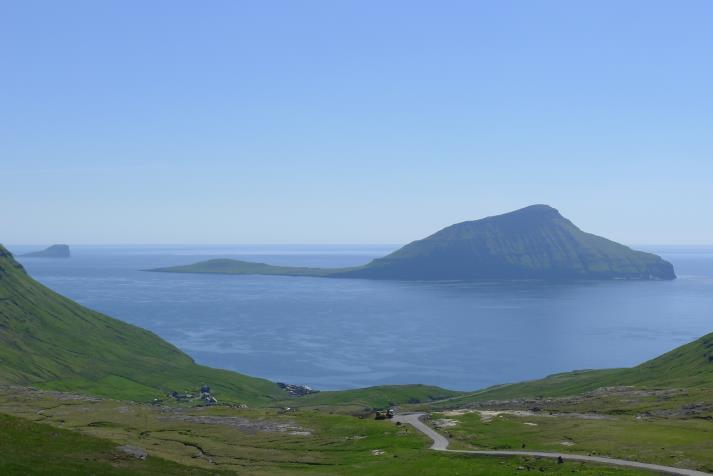
View of Hestur
View of Hestur
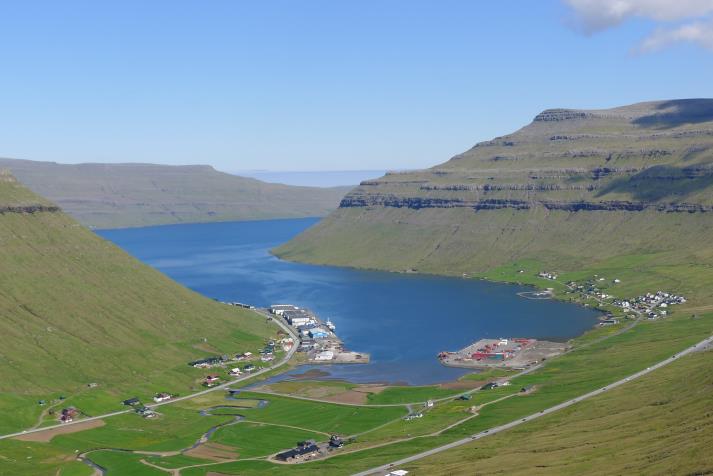
View of Kollafjördur
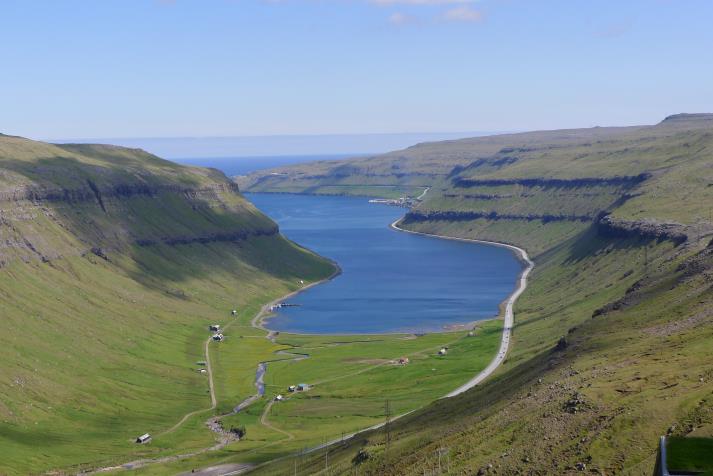
View of Koldbaksbotnur
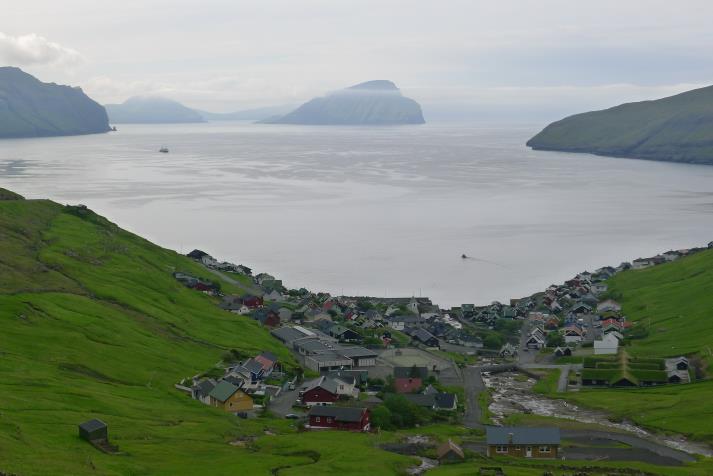
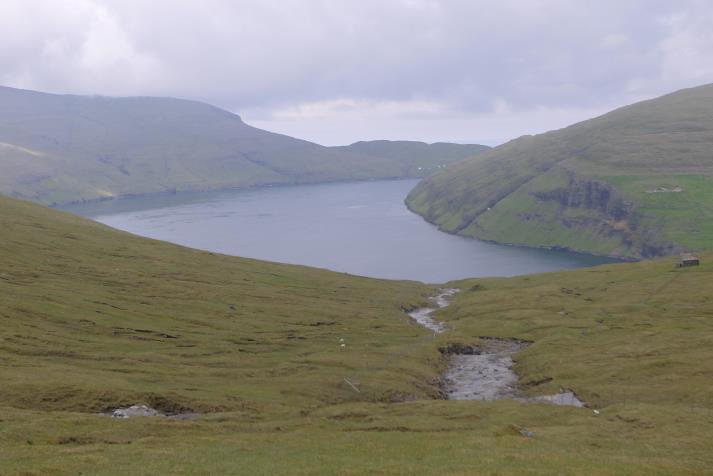
View of Vagafjördur
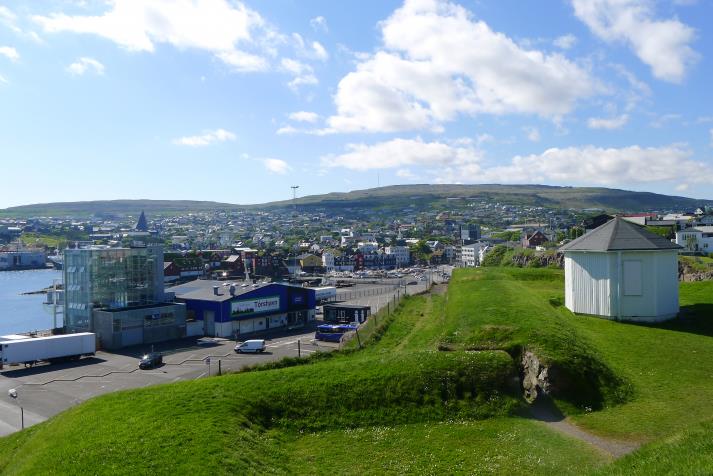
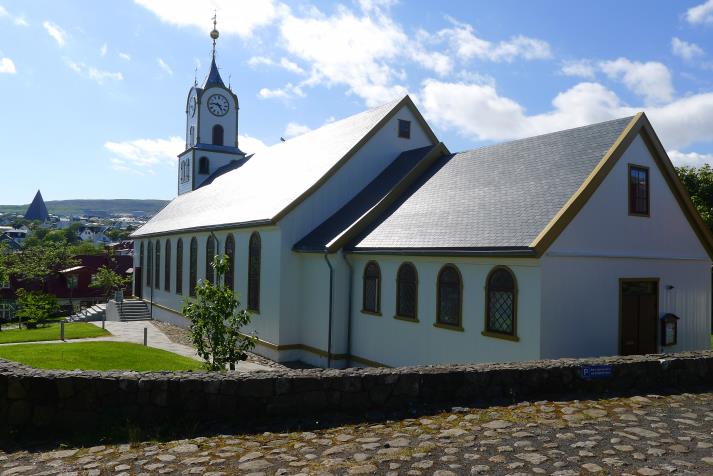
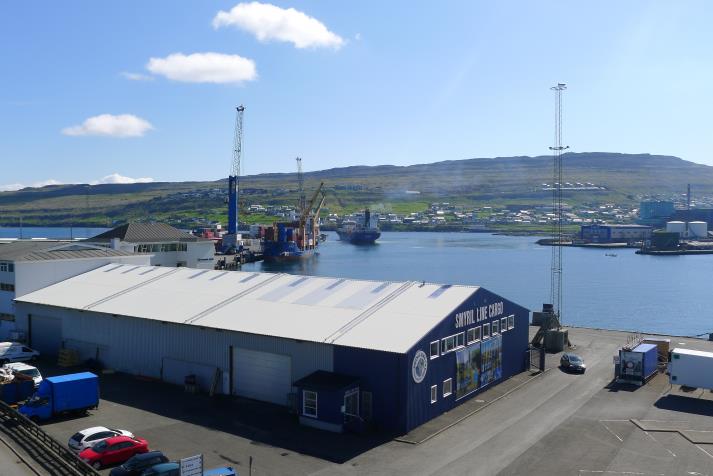
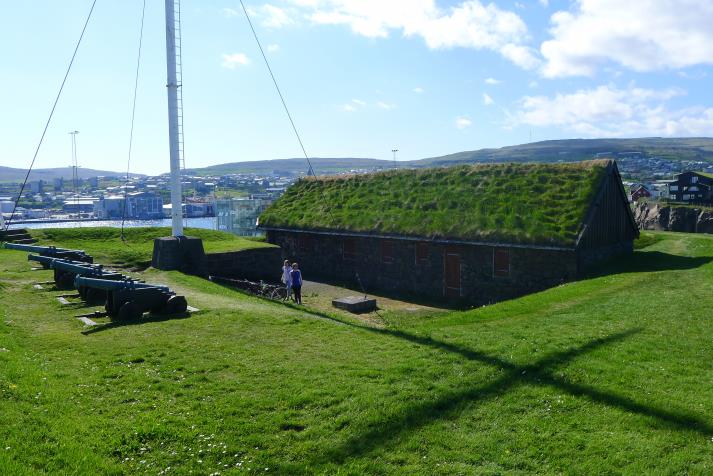
Pictures from Tórshavn
Tórshavn (Thor´s harbour) is the capital of the Faroe Islands with a population of around 13 000.
View of Tórshavn
Cathedral
Harbour
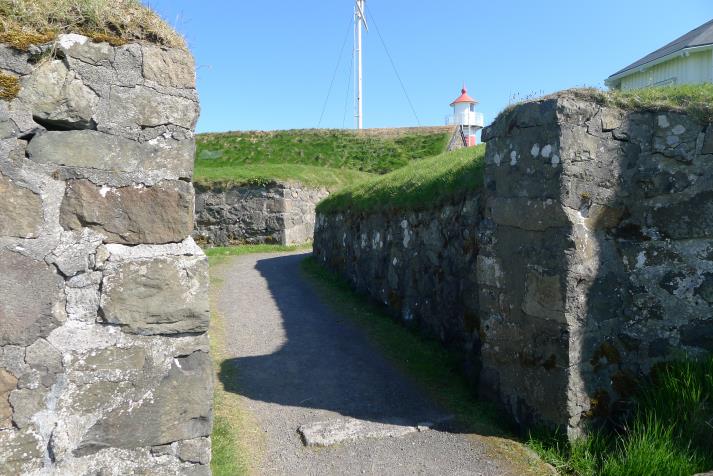
Skansin
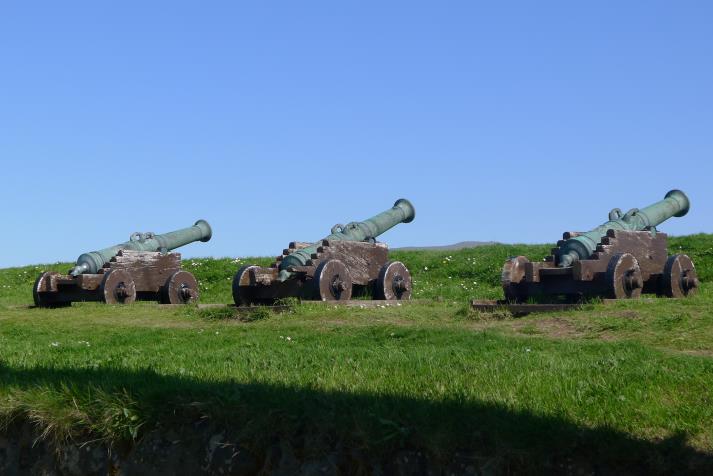
Skansin
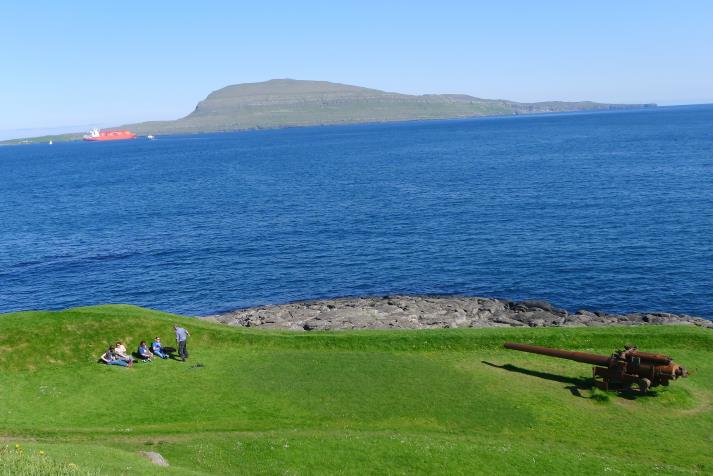
Skansin
Skansin
Pictures from Leitisvatn
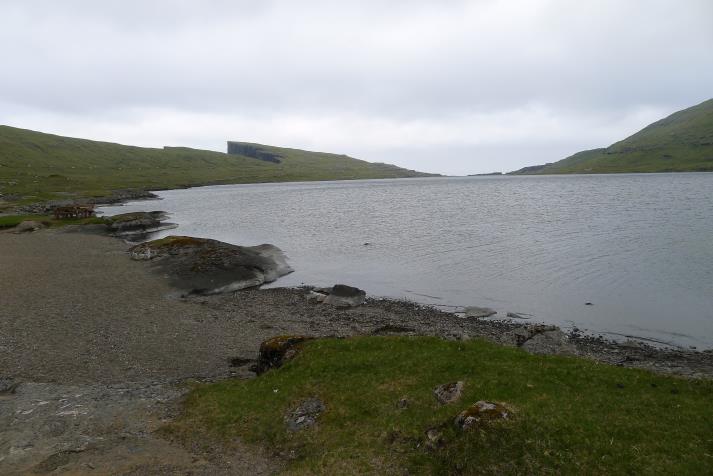
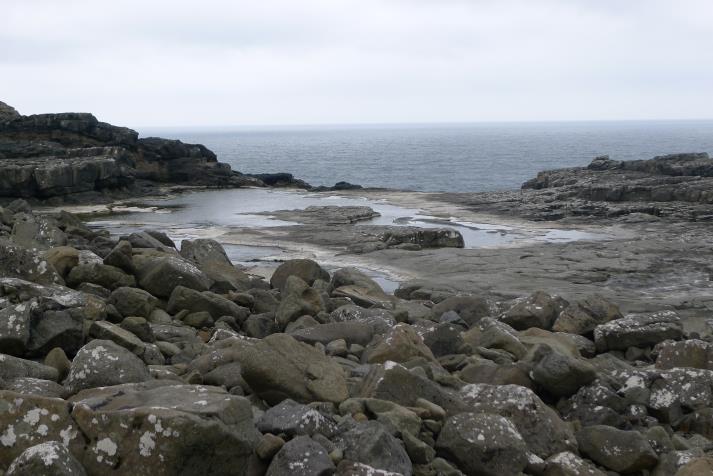
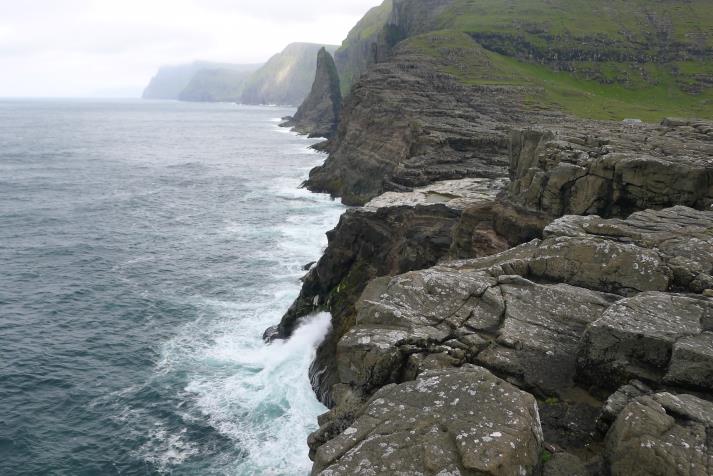
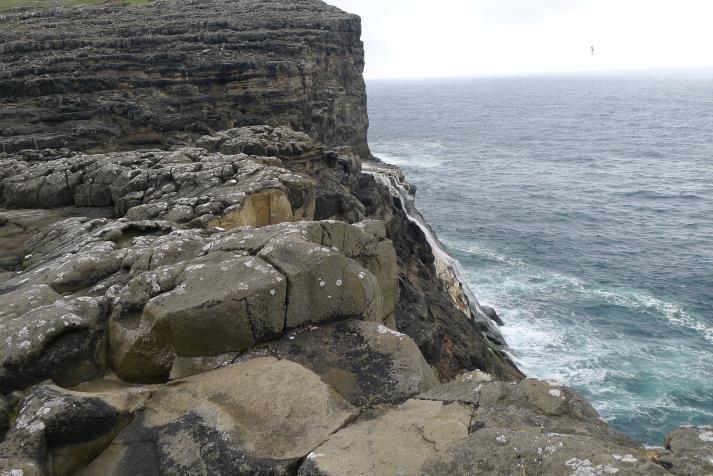
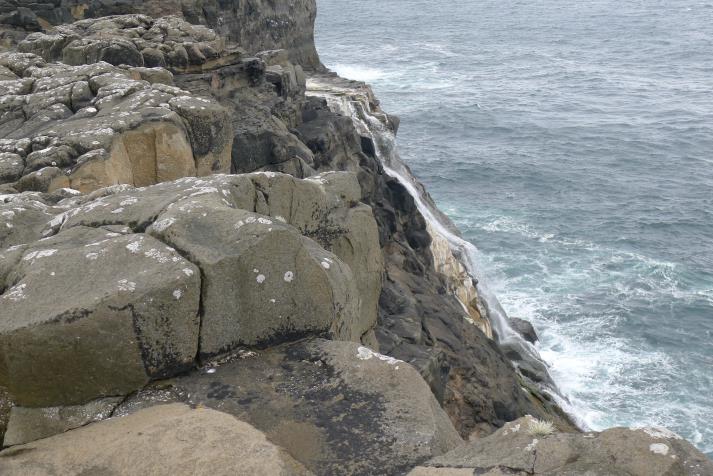
Leitisvatn is the biggest lake in the Faroe Islands. It is situated on the island of Vágar, next to the airport. The lake is located very close to the ocean, but its surface is about 40 meters above the level of sea. It is surrounded by a higher cliff which prevents it from emptying fully into the ocean; the waterfall Bøsdalafossur flows into it. Unforunately there was less water in the lake than usual and the waterfall was hardly visible. I managed to take a few pictures but to be honest I was a bit disappointed, especially since it was quite a long trek to reach the waterfall.
Leitisvatn
Leitisvatn
Where the lake goes into the sea
Waterfall?
Waterfall
Waterfall
Pictures from Saksun
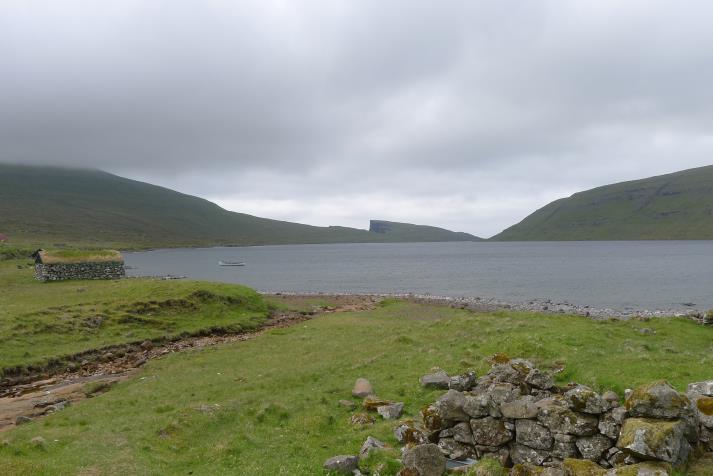
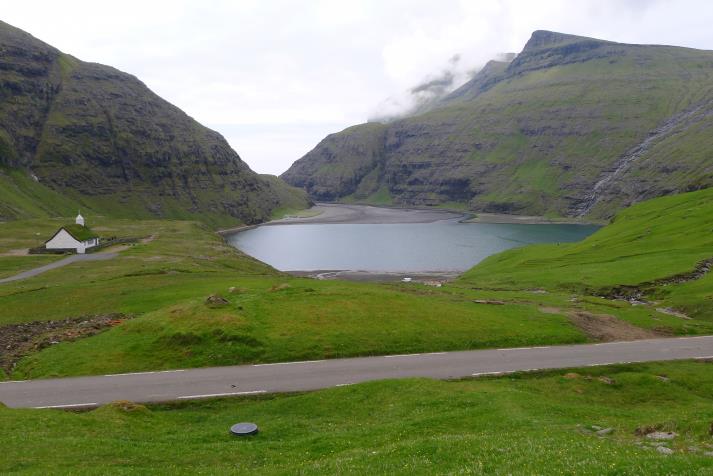
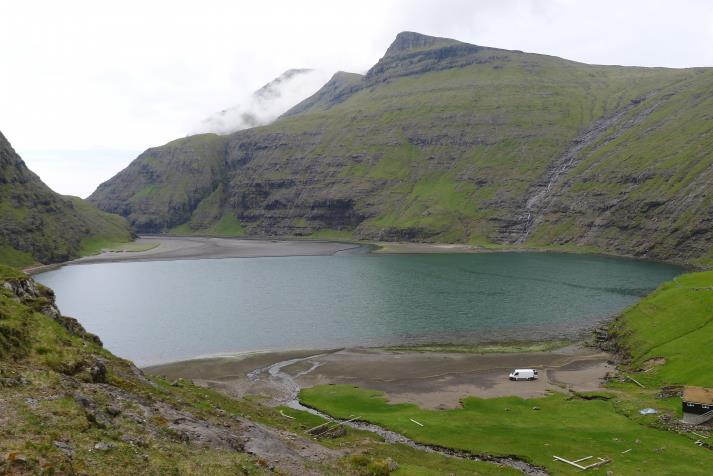
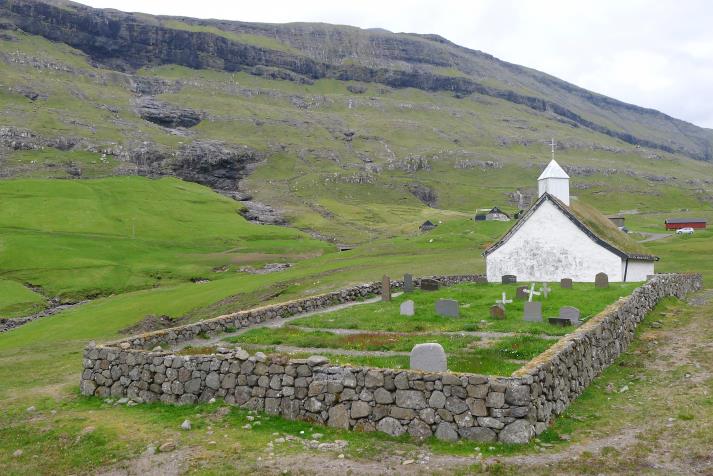
Saksun is a village near the northwest coast of the island of Streymoy. Saksun lies in the bottom of what used to be an inlet of the sea, surrounded by high mountains. The inlet formed a good deep natural harbour, until a storm blocked it with sand. The old harbour become an unaccessible seawater lagoon only accessible by small boats on high tide.
Lagoon
Lagoon
Church
Pictures from Eiði
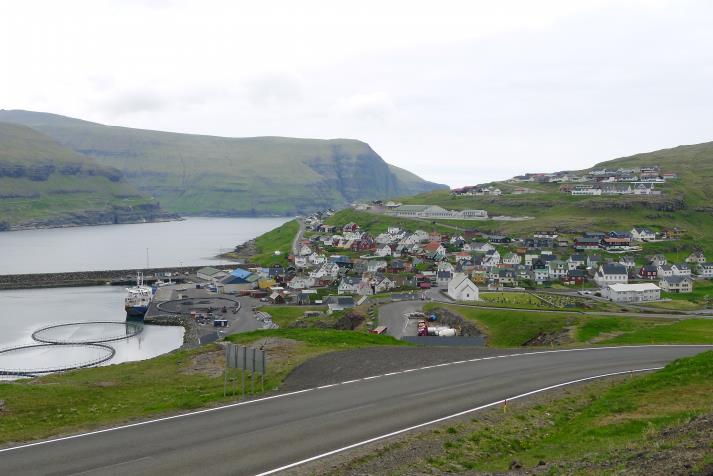
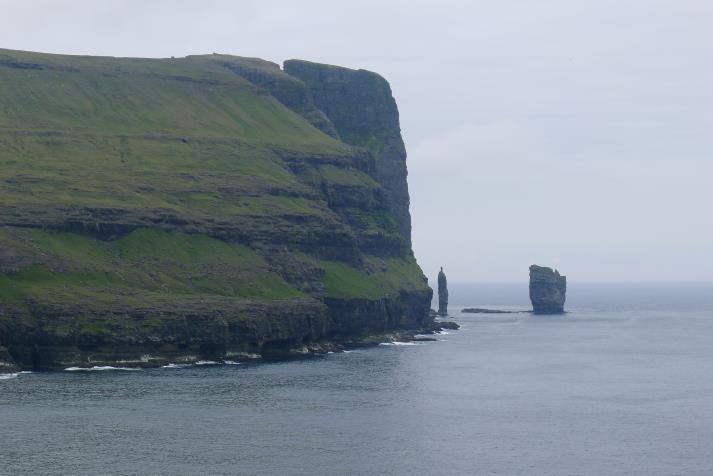
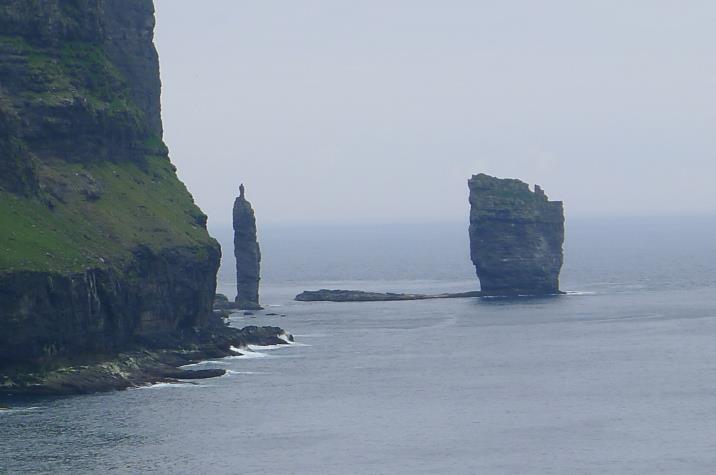
Eiði is a village located on the nortwest tip of Eysturoy. The biggest attractions in Eiði are Risin and Kellingin, two sea stacks just off the coast. The name Risin og Kellingin means The Giant and the Witch(or Hag) and relates to an old legend about their origins. The Giant (Risin) is the 71m stack further from the coast, and the witch (Kellingin) is the 68m pointed stack nearer land, standing with her legs apart. The sea stacks were not easy to find but I eventually found them!
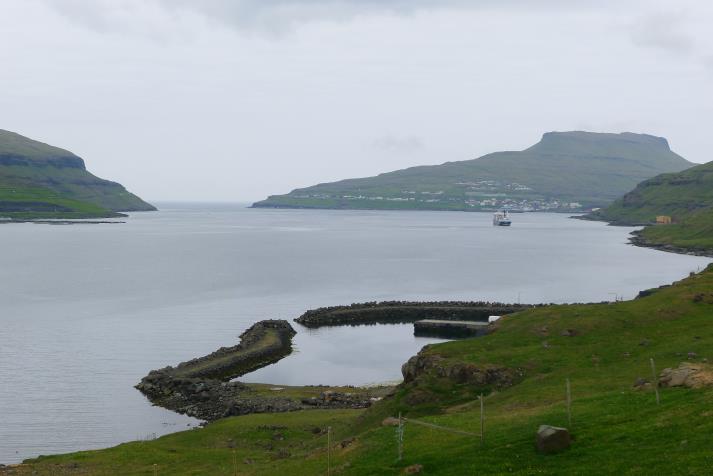
Eiði
Eiði
Risin and Kellingin
Risin and Kellingin
Pictures from Vestmanna birdcliffs tour
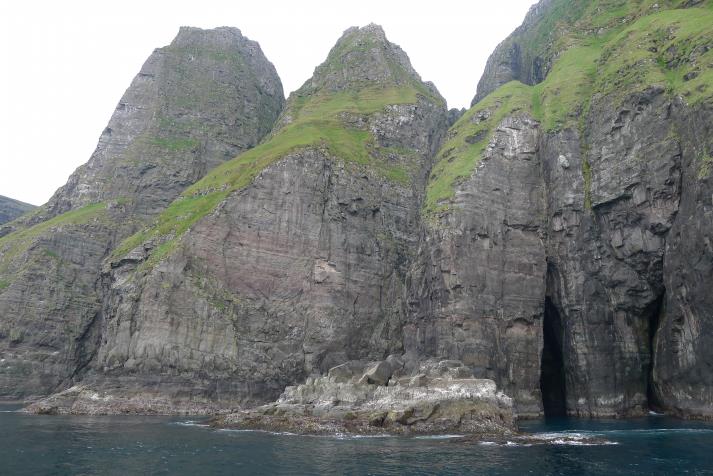
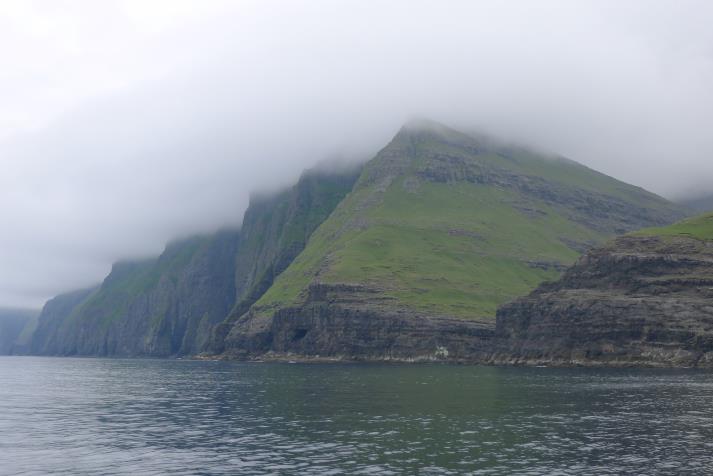
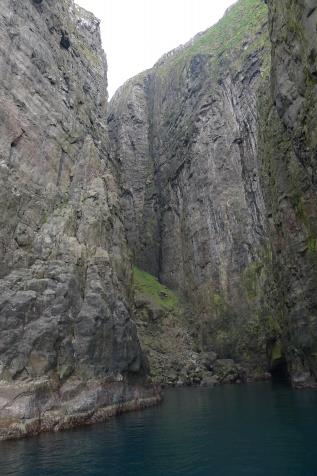
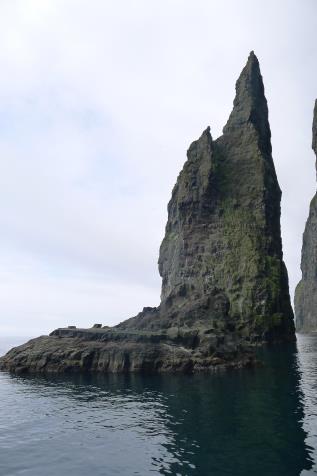
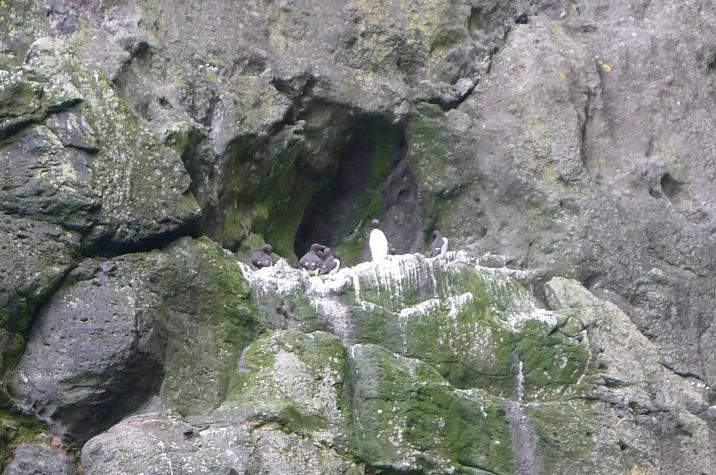
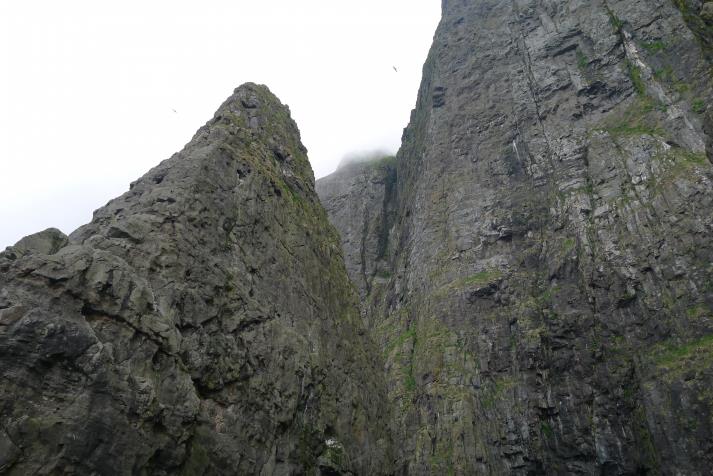
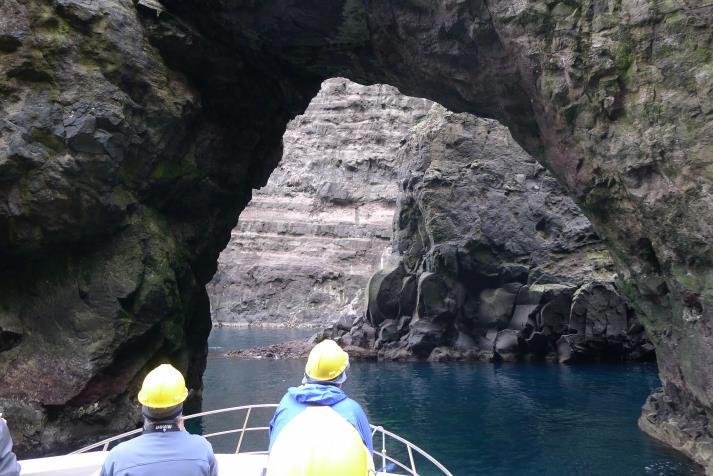
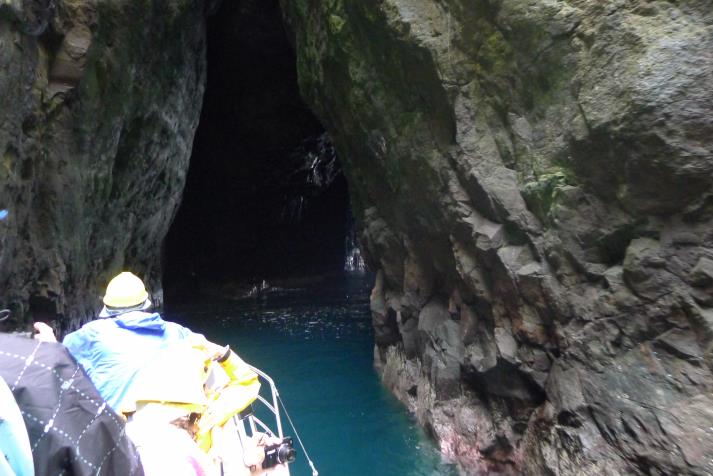
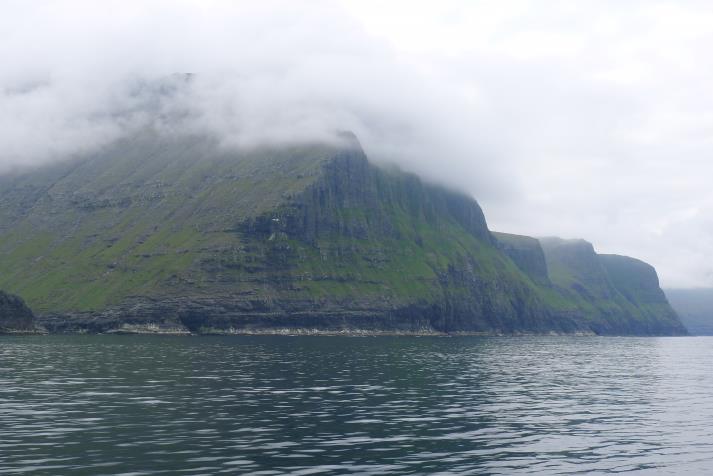
One of the biggest attractions in the Faroe Islands is the boat tour to the Vestmanna birdcliffs and grottos. During the 2-hour tour we sailed into grottos, through narrow straits and close to the almost 2 000 feet high vertical cliffs where birds like puffins, guillemots, fulmars and kittewakes nest each summer.
View of Vestmanna
Birdcliffs
Birdcliffs
Birdcliffs Sea stack
Birds
Birdcliffs
Birdcliffs
Vágar |